

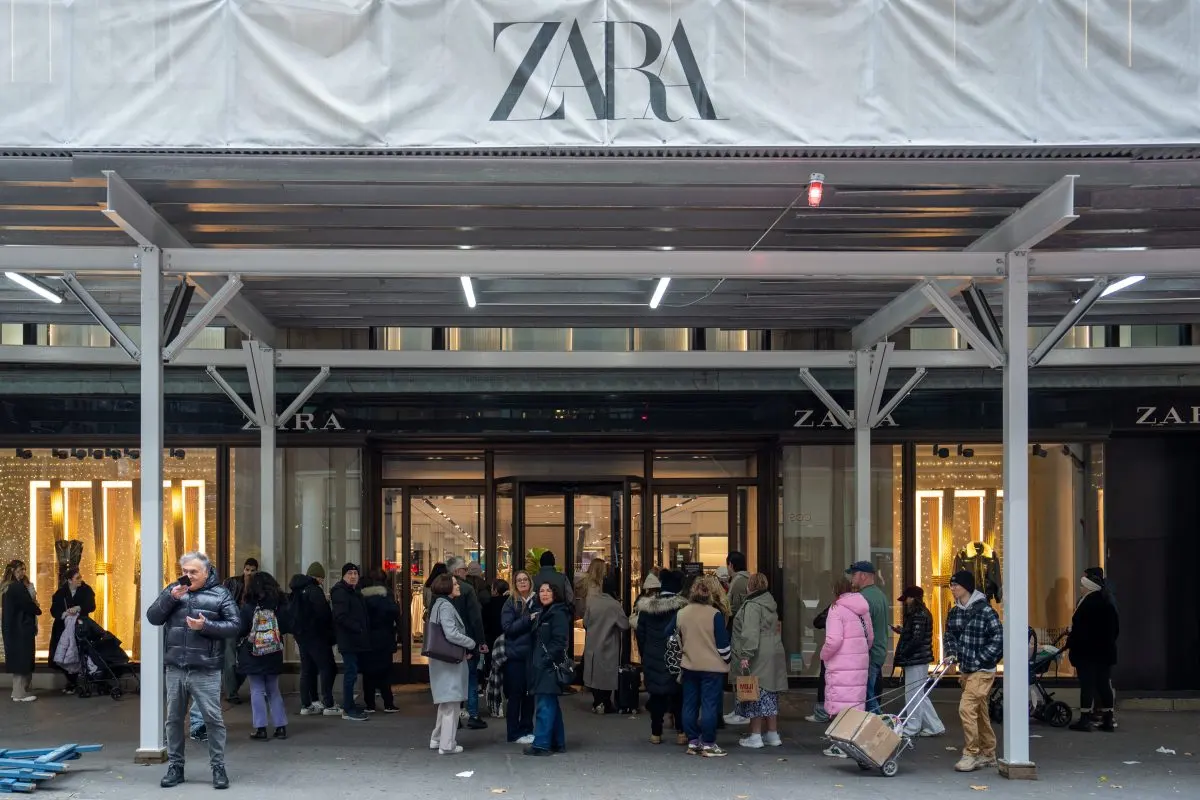
Zara 運用 AI 虛擬模特兒換裝以降低攝影成本
快時尚巨頭 Zara 正利用人工智慧在其電子商務平台上數位化修改現有模特兒的影像。這種由 AI 驅動的方法旨在為模特兒換上新服裝並置於不同場景,無需進行新的、昂貴的攝影工作。
Featured
The Magnificent 7 in 2025 – and the survival of the richest

Submit a story
Tell us your story.
Featured
Reading owner Rob Couhig considers selling training ground to raise funds

Submit a story
Tell us your story.
Featured
Food trends 2026: What Londoners will eat in the new year
Submit a story
Tell us your story.
Zara turns to AI-edited models amid shop closures

By:
Saskia Koopman
Tech Reporter

Zara is using artificial intelligence to edit images of human models for its e-commerce platforms, City AM understands, as the fast-fashion giant looks to cut costs amid a tough retail backdrop.
Models who have previously shot campaigns for Zara have since been contacted by the Spanish retail giant and asked for permission for their images to be reused and digitally altered with AI.
The tech is to be used to dress them in new clothes, as well as place them in different locations without having to pay for another shoot.
Two models, who did not wish to identified, confirmed that Zara said they would be paid the same fee as for a standard shoot, despite not returning to set.
“I was emailed and asked if I was comfortable with my images being used and edited with AI to show different items”, one model told City AM, adding: “But I’ll still be paid the same amount as if I’d travelled for another shoot.”
Stay ahead with our three daily briefings delivering all the key market moves, top business and political stories, and incisive analysis straight to your inbox.
The retailer confirmed the use of AI, claiming it is in fact being deployed as a supplement, rather than a replacement, for traditional shoots.
A spokesperson for the retailer told City AM: “We use artificial intelligence to complement our existing processes”.
“We work collaboratively with our valued models – agreeing any aspect on a mutual basis – and compensate in line with industry best practice”.
AI as a response to cooling fashion demand
Zara’s move comes as fashion retailers grapple with slowing customer demand, and mounting pressure on margins.
UK retail sales growth slowed to its weakest pace in six months in November, according to figures from the British Retail Consortium and KPMG.
Total sales rose just 1.4 per cent year on year, down from 2.3 per cent in September, as shoppers reined in spending ahead of the Autumn Budget.
Non-food sales, which include clothing, rose just 0.1 per cent, with online growth offset by falling footfall in stores.
Helen Dickinson, chief executive of the BRC, said the slowdown held a mirror up to “pre-Budget jitters among shoppers”, adding that fashion underperformed during a mild November, which dampened demand for winter clothes.

The report also warned that rising household costs and macro uncertainty were still weighing on discretionary spend.
Against that backdrop, AI-edited photos offer an obvious appeal. Fewer shoots, faster turnaround, and ultimately, cheaper content at scale.
Following H&M
Zara’s approach follows rival retailer H&M, which earlier this year disclosed plans to create AI “digital twins” of 30 real models, with the models retaining ownership of their likeness.
H&M acknowledged its strategy would be controversial, but argued that bringing models into the process was the best way around the debate, protecting jobs and rights as AI becomes unavoidable in the industry.
Zara, by comparison, hasn’t disclosed anything publicly – even as AI tools increasingly reshape how fast fashion images are produced, especially for e-commerce.
The technology is already most prevalent in the less glamorous corners of modelling, from catalogue to online product imagery – where volume matters more than creative flair.
A cost play
Zara’s parent company, Inditex, has remained financially resilient, posting double digit sales growth during peak trading periods.
The heavyweight also maintained margins despite currency headwinds and US tariff wars.
But, it also has been quietly shrinking its physical footprint, closing dozens of stores globally while pouring investment into its online arm.
With that in mind, AI-assisted images start to look more like operational discipline, rather than a creative experiment.
It remains positive that models involved have been asked to consent the use of their images, and that fees are holding.
But this could create a slippery slope. And, as AI tools continue to get cheaper and better, the bigger question is how long that equilibrium will last.

Share this article
Similarly tagged content:
Sections
Categories
People & Organisations
Trending Articles
Tax crackdown in 2026: Why experts predict a wave of enforcement actions
House prices plunge around London with Brighton, Crawley hit hardest
Who still gets hired in the 2026 workplace?
Private equity firms sell assets to themselves at a record rate in 2025
Our honest review of new Emirates cabins central to airline’s £3.7 billion upgrade
More from City AM
Court rejects Getty Images’ core claim in historic case against AI image generator

Round Retail: the social enterprise transforming second-hand fashion

Legora CEO: Troubled Robin AI ‘had two parallel business models’

AI-assisted shopping starts to go mainstream

Lawyers lead charge on AI oversight as government drags on regulations
TikTok owner eyes $23bn AI spend amid Nvidia chip uncertainty

Why your businesses fell for the AI inclusion illusion – and what it’s going to cost you

FTSE 100 Live: Wetherspoons boss’ Budget warning; M&S takes cyber hit
Subscribe
Subscribe to the City AM newsletter to have our top stories delivered directly to your inbox.
Follow us for breaking news and latest updates


相關文章