
推出 OpenAI 的國家教育計畫
OpenAI 推出「國家教育計畫」,旨在將人工智慧整合至國家教育系統,以實現個人化學習、減輕行政負擔,並為學生做好迎接 AI 驅動的未來勞動力的準備。此計畫將與全球各國政府及大學聯盟合作。
January 21, 2026
Introducing OpenAI’s Education for Countries
Helping countries build future ready education systems and workforces with AI
The history of technology suggests that the biggest economic gains come not from invention alone, but from turning new capabilities into scaled, everyday use. But even as AI capabilities have improved, we see a widening “capability overhang,” defined as the gap between what AI tools can do and how people are using them.
Education systems are a critical route through which this gap is closed. Studies(opens in a new window) project that by 2030 nearly 40% of the core skills workers rely on today will change, driven largely by AI. By embedding AI tools, training, and research into the core infrastructure of schools and universities, education systems can evolve alongside these shifts and better prepare students to thrive in a world with AI.
OpenAI’s Education for Countries
It is for this purpose that we are launching OpenAI’s Education for Countries as a new pillar of our OpenAI for Countries initiative. We will work with governments and university consortia to bring AI into education systems to personalize learning, reduce administrative burden, and prepare students for the workforce. Working with Ministries of Education, partners, universities and researchers, the initiative will bring together several core elements:
Our growing work with countries globally
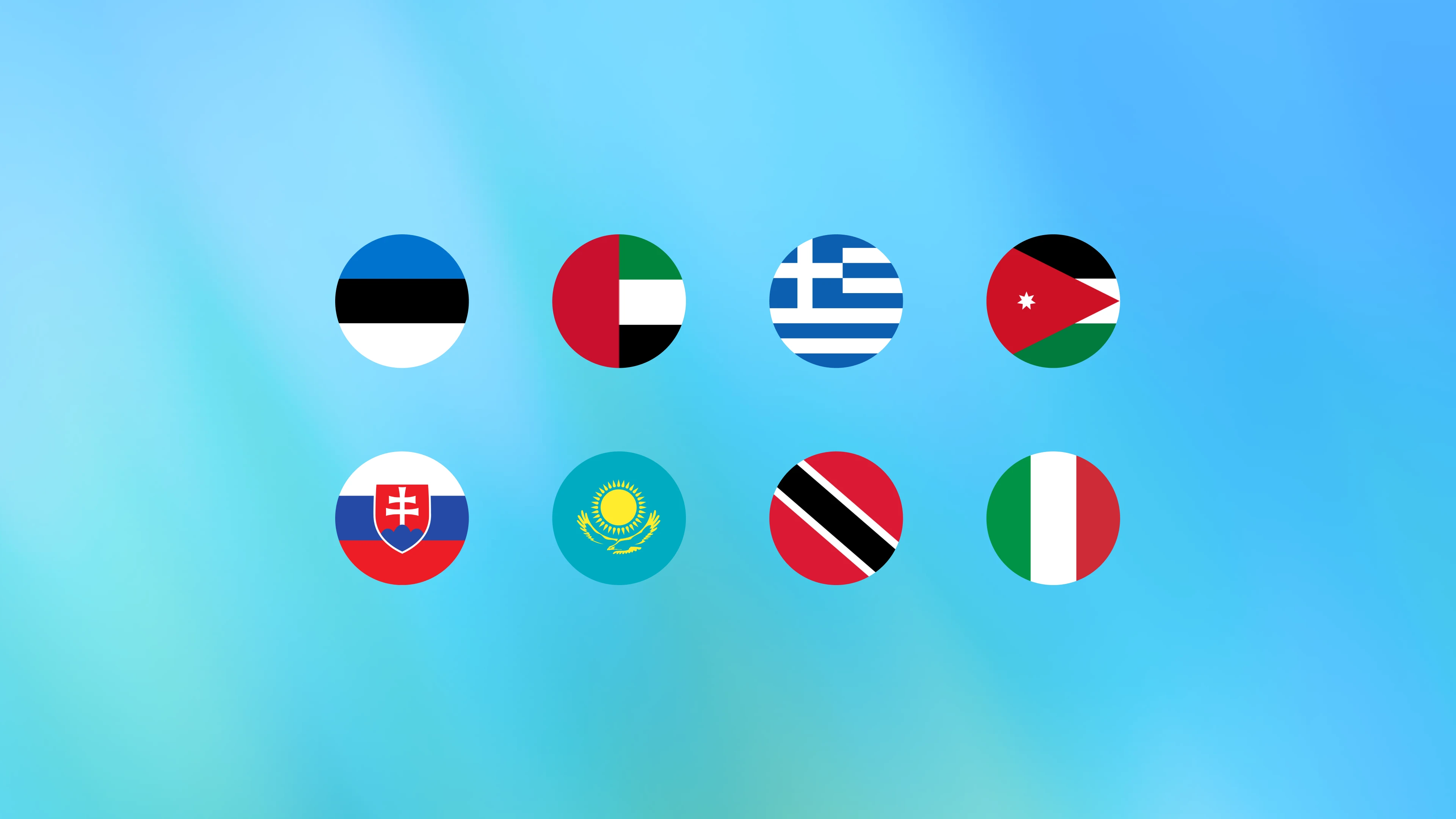
Our first cohort includes Estonia, Greece, Italy’s Conference of University Rectors (CRUI), Jordan, Kazakhstan, Slovakia, Trinidad & Tobago, and the United Arab Emirates.
AI tools like ChatGPT Edu have already been deployed nationwide in Estonia, across public universities and secondary schools, reaching more than 30,000 students, educators, and researchers in its first year. Longitudinal research partnerships are also underway, such as a large-scale study with the University of Tartu and Stanford, to measure how AI affects learning outcomes among 20,000 students over time.
As AI is introduced at scale, rollouts typically follow a phased approach, starting by equipping educators with the tools and training they need to lead AI use in classrooms. In higher education, ChatGPT Edu is already available to students. In high schools, student access begins through small pilots developed in close collaboration with local leaders, to ensure safety and alignment with local curricula. These pilots are paired with ongoing work by OpenAI to strengthen protections for young people who use ChatGPT, including age-appropriate model behavior improvements and developing AI literacy content for educators with trusted partners like Common Sense Media.
Ensuring AI benefits everyone
OpenAI’s mission is to ensure that advanced AI benefits everyone. We're building AI to help people solve hard problems because by helping with the hard problems, AI can benefit the most people possible—through more scientific discoveries, better healthcare and education, and improved productivity. This work reflects a simple belief: powerful technologies should expand opportunity for all, not exclude people from it.
OpenAI’s Education for Countries builds on this mission, as well as our work to ensure AI expands economic opportunity with OpenAI Certifications, which help individuals build foundational AI skills and give clear signals to employers about their ability to use AI effectively at work.
The program also represents a step forward in OpenAI’s ongoing commitment to supporting learning with AI—complementing programs like NextGenAI to accelerate research on AI and learning across universities, products to enhance how AI is used in education like ChatGPT Edu and study mode, and partnerships to support teacher-led AI adoption like with the American Federation of Teachers in the United States.
Our next cohort will be announced later in 2026. To learn more about how to join, contact our team.
Author
Keep reading

Global AffairsJan 21, 2026
Global AffairsJan 20, 2026

Global AffairsJan 20, 2026
— OpenAI
相關文章